The Woolwich Ferry is an important east London river crossing that connects Woolwich on the south side of the River Thames with North Woolwich on the opposite bank. Unlike many paid transport options in the capital, the service offers a free crossing for pedestrians, cyclists and vehicles. Its practical location makes it useful for local residents, commuters, businesses and motorists who need a direct way across the Thames.
For travellers, knowing the Woolwich Ferry times can make a journey much easier to plan. Although the actual river crossing is short, waiting and boarding can take longer depending on demand and operating conditions. Checking the latest timetable and service information before travelling is therefore recommended, particularly for people with appointments, work commitments or onward connections.
Woolwich Ferry Route Across the River Thames
The ferry route provides a direct connection between Woolwich Ferry South Pier and Woolwich Ferry North Pier. It crosses the River Thames in east London, allowing passengers to move between Woolwich and North Woolwich without making a longer road journey around the river. The crossing is suitable for pedestrians, cyclists and a variety of vehicles, giving it an important role in the area’s everyday transport network.
The route is especially useful for drivers who want to avoid taking a lengthy detour to another Thames crossing. Cars, vans and larger vehicles can use the service, while pedestrians and cyclists can also travel between the two sides. This combination makes the ferry different from many other London river services, which are primarily designed for passengers rather than general road traffic.
Woolwich Ferry Times and Timetable
Woolwich Ferry times are an important consideration for anyone planning to cross the Thames, particularly during busy periods. The timetable provides planned departure information from the two terminals, but actual waiting times can vary according to the number of vessels operating and the level of demand. Travellers should therefore view the published schedule as a useful guide rather than a guarantee of immediate boarding.
Anyone searching for Woolwich Ferry times today should check the latest official transport information before leaving home. Timetables can change because of maintenance, technical problems, operational requirements or other unexpected circumstances. Checking current information is particularly sensible for early morning and evening journeys, when travellers may have fewer alternative options available if the service is delayed or temporarily affected.
Is the Woolwich Ferry Working Today?
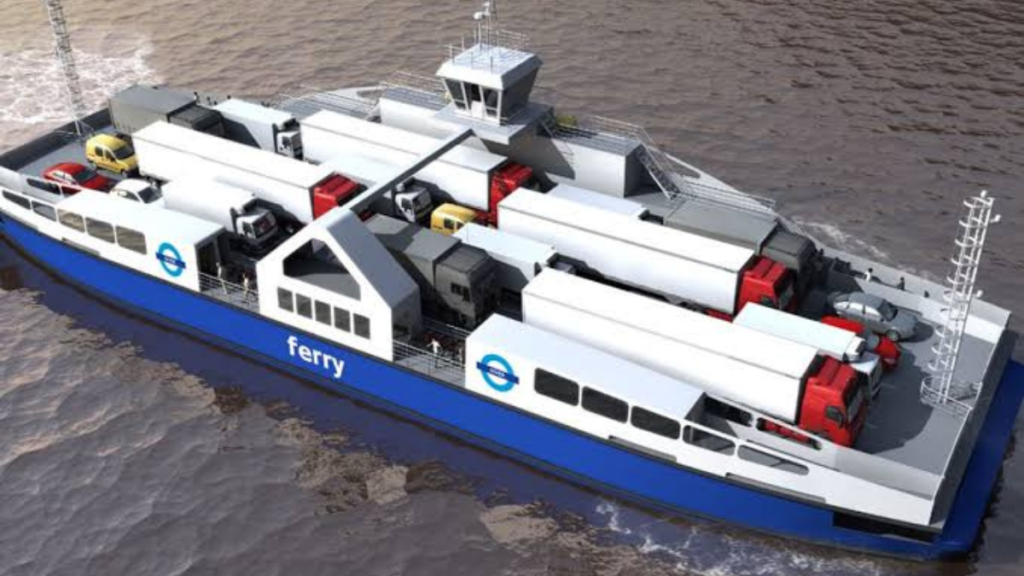
If you are wondering whether the Woolwich Ferry is working today, the safest approach is to check the latest Transport for London service information before travelling. A normal timetable does not always mean that every planned sailing will operate exactly as expected. Temporary disruptions can sometimes affect frequency, waiting times or the availability of individual vessels, making a live service check valuable for time-sensitive journeys.
Checking whether the ferry is operating today is particularly important for motorists who rely on the crossing as part of a longer journey. A disruption could result in additional waiting or require an alternative route across the Thames. Pedestrians and cyclists should also check the latest information when travelling at busy times, as service changes can affect everyone using the crossing.
Woolwich Ferry Price and Cost
One of the most attractive features of the service is the Woolwich Ferry price, because the crossing is free. Passengers do not need to purchase a standard ferry ticket to travel between Woolwich and North Woolwich. This makes the service an economical option for regular users and provides a valuable alternative for motorists who would otherwise need to take a longer route between the two sides of the Thames.
The free service can be used by pedestrians and cyclists as well as drivers, subject to the ferry’s operating arrangements and capacity. Cars, vans and lorries can use the crossing, making it particularly valuable for local transport and commercial journeys. Although there is no fare, travellers should remember that free travel does not remove the possibility of queues or waiting during busy periods.
Woolwich Ferry Terminals and Boarding Points
The two main terminals are located at Woolwich Ferry South Pier and Woolwich Ferry North Pier. The south terminal serves passengers travelling from Woolwich, while the north terminal provides access from North Woolwich. Understanding the location of each pier is important before setting off, especially for first-time users who may be unfamiliar with the roads and pedestrian routes surrounding the terminals.
When arriving at either terminal, passengers should follow signs and any instructions provided by staff. Drivers need to join the appropriate vehicle queue, while pedestrians and cyclists should use the designated access arrangements. Allowing some additional time for boarding is sensible because the time spent waiting at the terminal can be considerably longer than the short journey across the Thames itself.
Travelling by Car, Bike or on Foot
The ferry is designed to accommodate different types of travellers, making it a particularly versatile Thames crossing. Pedestrians can use the service to travel between Woolwich and North Woolwich, while cyclists can also cross the river without having to make a lengthy detour. Drivers can take cars, vans and lorries across, subject to operational arrangements and available space on the vessel.
For motorists, the main advantage is the direct nature of the crossing. Instead of travelling further along the road network to find another river crossing, drivers can use the ferry to continue their journey from the opposite bank. Cyclists and pedestrians can benefit from the same direct connection, although everyone should allow extra time for queues, boarding and possible changes to normal operating arrangements.
How Long Does the Woolwich Ferry Take?
The actual journey across the River Thames is remarkably short, usually taking only a few minutes. However, travellers should distinguish between the crossing time and the total time spent using the service. Waiting for a ferry, joining a queue, boarding and leaving the vessel can all add to the journey, particularly when demand is high or fewer boats are operating.
For this reason, it is not wise to plan a tight appointment around the crossing duration alone. Someone travelling to work, an appointment or another transport connection should leave a reasonable time allowance. Checking the latest timetable can provide a better idea of planned departures, while live service information can help travellers identify unexpected delays before they reach the terminal.
Woolwich Ferry Compared With Other Thames Crossings
The main advantage of this ferry is its direct connection between Woolwich and North Woolwich. For people travelling locally, it can save considerable time compared with making a longer journey around the Thames. The fact that the crossing is free also makes it attractive to motorists, cyclists and pedestrians who want a practical and economical way to move between the two sides.
However, the best Thames crossing depends on the individual journey. A traveller heading somewhere far beyond Woolwich may find another route more suitable, particularly if the ferry is busy or operating with delays. For local journeys, though, the ferry remains a useful choice because it combines a short crossing with access for both people and road vehicles.
History and Importance of the Woolwich Ferry
The Woolwich crossing has a long association with east London and the River Thames. Over the years, its service has developed alongside the surrounding communities and transport network. Its continued operation reflects the need for a direct connection between Woolwich and North Woolwich, where the river can otherwise create a significant barrier for people travelling between the two areas.
Today, the ferry remains important for residents, commuters, cyclists, pedestrians and businesses. Its ability to carry vehicles as well as people gives it a distinctive purpose within London’s wider transport system. While newer roads, tunnels and other transport links have changed how people move around the capital, the ferry continues to provide a simple and practical local crossing.
Tips for Using the Woolwich Ferry
Before travelling, check the latest timetable and service status rather than relying entirely on information saved from an earlier journey. This is especially useful if you need to know the Woolwich Ferry times today or are travelling at a less convenient hour. Service conditions can change, so a quick check before leaving can help you avoid unnecessary waiting or disruption.
It is also wise to allow additional time at the terminal, particularly during periods of high demand. Drivers should approach the correct pier and follow local signs, while pedestrians and cyclists should use the appropriate access points. If your journey is time-sensitive, having an alternative route in mind can provide extra reassurance if the ferry experiences unexpected operational difficulties.
What Travellers Should Know Before Going
The most important things to remember are simple. The service connects Woolwich and North Woolwich across the River Thames, operates as a free crossing and can carry pedestrians, cyclists and several types of road vehicles. The two main terminals are Woolwich Ferry South Pier and Woolwich Ferry North Pier, making it easy to understand the route once you know which side of the river you are starting from.
Travellers should nevertheless check current information before making the journey. The planned timetable gives useful guidance, while live updates are more appropriate when you need to know whether the service is working today. Allowing extra time for queues and boarding is also recommended. With a little preparation, the crossing can be a convenient and straightforward part of an east London journey.
Conclusion
The Woolwich Ferry remains one of east London’s most useful ways to cross the River Thames, offering a direct connection between Woolwich and North Woolwich. Its free service, short crossing and ability to accommodate pedestrians, cyclists and vehicles make it valuable for everyday travel. Whether you are commuting, driving locally or simply exploring the area, the ferry provides a distinctive and practical Thames crossing.
Before setting off, it is worth checking the latest timetable and service information, especially if your journey depends on a particular departure. Woolwich Ferry times can be affected by operational circumstances, while waiting periods may change according to demand. Planning ahead and allowing some flexibility can make the experience easier, helping travellers enjoy one of east London’s longstanding transport links.
Frequently Asked Questions
Is the Woolwich Ferry free?
Yes, the crossing is free for pedestrians, cyclists and eligible vehicles using the service.
Is the Woolwich Ferry working today?
Travellers should check the latest Transport for London service information to confirm today’s operating status.
What are the Woolwich Ferry times today?
Current timetable information should be checked before travelling because planned times can change.
How often does the Woolwich Ferry run?
The frequency depends on the published timetable and current operating conditions.
How long does the Woolwich Ferry take?
The actual Thames crossing usually takes only a few minutes, although waiting can increase total journey time.
How much does the Woolwich Ferry cost?
The crossing is free, so passengers do not pay a standard ferry fare.
Where does the Woolwich Ferry go?
It connects Woolwich on the south bank of the Thames with North Woolwich on the north bank.
Can I take my car on the Woolwich Ferry?
Yes, the service accommodates cars as well as vans and larger vehicles, subject to operating arrangements.
Can cyclists use the Woolwich Ferry?
Yes, cyclists can use the ferry to cross between Woolwich and North Woolwich.
Can pedestrians use the Woolwich Ferry?
Yes, pedestrians can use the free river crossing between the two terminals.
Where are the Woolwich Ferry terminals?
The terminals are Woolwich Ferry South Pier and Woolwich Ferry North Pier.
Does the Woolwich Ferry operate every day?
The service has regular operating arrangements, but travellers should check current information for any temporary changes.
Why might the ferry service change?
Maintenance, technical issues, operational circumstances and other temporary problems can affect normal ferry services.
Also Read: Weather Gravesend