The ballynoe stone circle is one of Northern Ireland’s most remarkable prehistoric monuments, attracting visitors who are fascinated by ancient landscapes and early human history. Located near Downpatrick in County Down, it offers a peaceful yet mysterious setting that reflects thousands of years of cultural heritage. Surrounded by rolling countryside, the site continues to inspire curiosity about its origins and purpose in Neolithic society.
The ballynoe stone circle is believed to date back around 5,000 years, placing it firmly in the Neolithic era when early communities built ceremonial and ritual landscapes. Today, it remains an important archaeological site, drawing historians and travellers alike. Its remote atmosphere and impressive stone arrangement make it a unique destination for those seeking both knowledge and a sense of ancient wonder.
History and Origins of Ballynoe Stone Circle
The ballynoe stone circle is widely regarded as a Neolithic construction, possibly developed over multiple phases of human activity. Archaeologists believe it may have served ritual, ceremonial, or burial purposes, although its exact function is still debated. The combination of standing stones and a central mound suggests a complex site that held deep spiritual meaning for early communities in the region.
Excavations at the ballynoe stone circle have revealed human remains and structural layers, indicating long-term use and modification. These findings suggest that the site was not static but evolved over centuries. Its design reflects the cultural and spiritual beliefs of early settlers, offering valuable insight into prehistoric life in Ireland and the wider British Isles.
Location of Ballynoe Stone Circle in Downpatrick
The ballynoe stone circle is located in a rural area near Downpatrick in County Down, Northern Ireland. Its countryside setting enhances its sense of isolation and mystery, making it feel untouched by modern development. The surrounding fields and gentle hills provide a scenic backdrop that adds to the monument’s ancient and atmospheric character.
Downpatrick itself is a historically rich town, and the ballynoe stone circle contributes to the region’s strong archaeological identity. Visitors often combine their trip with nearby heritage sites and natural attractions. The peaceful environment allows travellers to experience both history and landscape together, creating a meaningful connection to Ireland’s distant past.
Ballynoe Stone Circle Directions and Travel
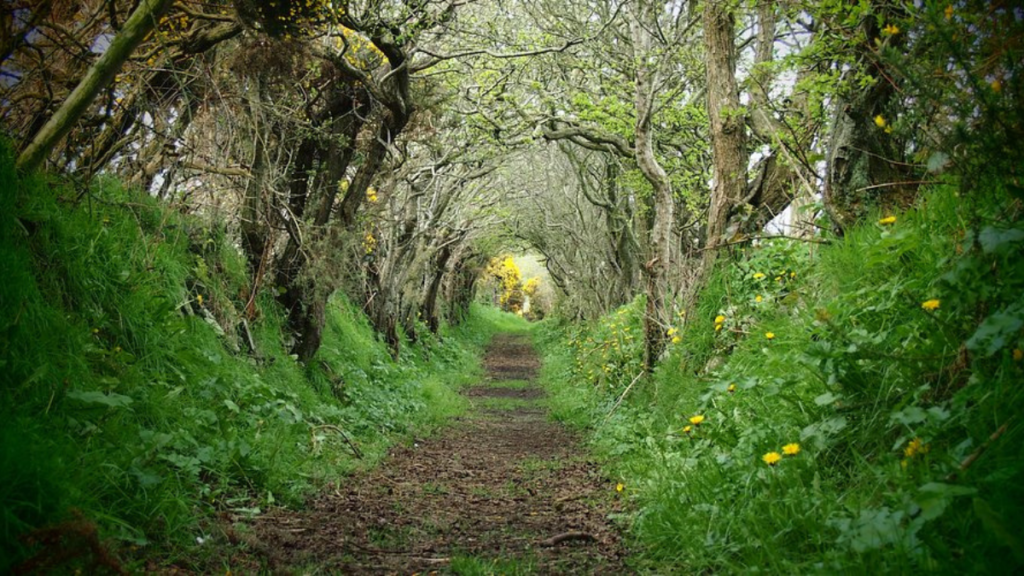
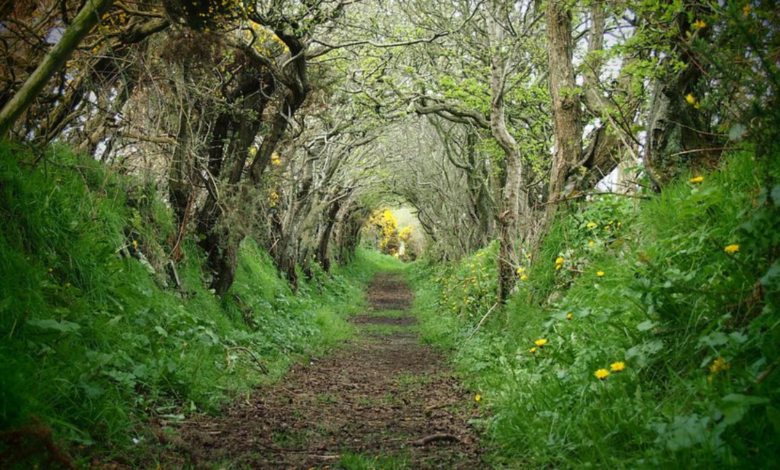
Reaching the ballynoe stone circle usually begins from Downpatrick, following rural roads that wind through the County Down countryside. Clear signage can be limited, so visitors are advised to use updated maps or GPS navigation. The journey itself is scenic, offering views of farmland and quiet country lanes that reflect the area’s traditional charm.
When planning a visit to the ballynoe stone circle, it is important to allow extra travel time due to narrow roads and occasional navigation challenges. The final approach typically involves a short walk from the roadside. This gradual arrival enhances the experience, as the monument slowly reveals itself within the surrounding natural landscape.
Ballynoe Stone Circle Parking and Visitor Access
Parking near the ballynoe stone circle is limited and informal, usually consisting of small roadside areas close to the entrance path. Visitors are encouraged to park responsibly and avoid blocking local access routes. As a protected heritage site, there are no large facilities, helping preserve its natural and historical integrity.
Access to the ballynoe stone circle involves a short walk through rural terrain. The path is generally easy but can become muddy during wet weather, so appropriate footwear is recommended. Although facilities are minimal, this simplicity enhances the authenticity of the visit, allowing travellers to experience the monument in its most natural and undisturbed form.
Layout and Map of Ballynoe Stone Circle
The ballynoe stone circle features an impressive arrangement of more than 50 standing stones forming a circular pattern around a central mound. This distinctive layout suggests that the site held significant ceremonial importance, possibly linked to burial practices or astronomical observations. Its scale and structure make it one of the most complex stone circles in Ireland.
A closer look at a ballynoe stone circle map reveals multiple layers of construction, indicating that the site was developed over time. The variation in stone size and spacing adds to its architectural mystery. Walking through the monument allows visitors to appreciate its design in a three-dimensional way, highlighting the ingenuity of its ancient builders.
Photography and Significance of Ballynoe Stone Circle
The ballynoe stone circle is a popular destination for photography due to its atmospheric and historical appeal. Early morning mist or late afternoon sunlight creates striking shadows across the stones, enhancing the sense of mystery. Photographers often use wide-angle shots to capture both the monument and its surrounding countryside.
Beyond photography, the ballynoe stone circle holds deep archaeological and cultural significance. It provides valuable insight into Neolithic rituals and early human settlement patterns. Scholars continue to study its purpose, comparing it with similar sites across Europe. Its enduring mystery adds to its importance as a heritage landmark in Northern Ireland.
Archaeological Significance and Theories
The ballynoe stone circle is considered an important archaeological site that offers clues about Neolithic beliefs and practices. Many experts suggest it was used for ceremonial gatherings or burial rituals, supported by the presence of a central mound. Its structure indicates a carefully planned design that likely held spiritual meaning for ancient communities.
Ongoing research into the ballynoe stone circle continues to reveal new interpretations. Some theories suggest astronomical alignments, while others focus on social or ritual functions. Despite extensive study, no single explanation fully defines its purpose, which is why it remains one of the most intriguing prehistoric sites in Northern Ireland.
Conclusion
The ballynoe stone circle stands as a powerful reminder of Ireland’s ancient past, offering a rare glimpse into Neolithic life and cultural expression. Its enduring mystery, combined with its impressive structure, makes it a significant heritage site that continues to attract visitors and researchers from around the world.
A visit to the ballynoe stone circle provides more than just historical insight; it offers a connection to a landscape shaped by thousands of years of human activity. As one of Northern Ireland’s most compelling archaeological landmarks, it remains a timeless symbol of mystery, heritage, and discovery.
Frequently Asked Questions
Q1: Where is Ballynoe Stone Circle located?
A: It is located near Downpatrick in County Down, Northern Ireland.
Q2: How old is Ballynoe Stone Circle?
A: It is estimated to be around 5,000 years old from the Neolithic period.
Q3: Is parking available at Ballynoe Stone Circle?
A: Yes, but parking is limited to small roadside spaces nearby.
Q4: How do you reach Ballynoe Stone Circle?
A: It can be reached via Ballynoe Road near Downpatrick using local maps or GPS.
Q5: What is Ballynoe Stone Circle famous for?
A: It is famous for its large Neolithic stone circle and central mound structure.
Q6: Can visitors take photos at the site?
A: Yes, photography is allowed and widely popular at the monument.
Q7: Why is Ballynoe Stone Circle important?
A: It is important for understanding Neolithic rituals and ancient Irish history.
Also Read: Ardmair Campsite