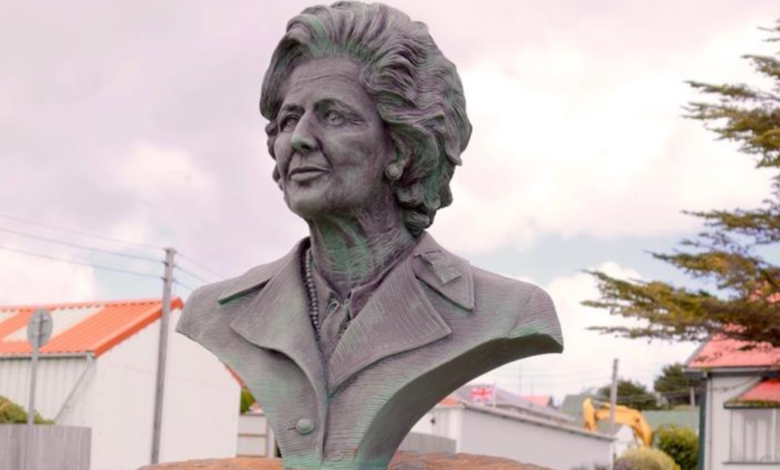
The margaret thatcher statue is one of the most widely discussed political monuments in modern Britain, attracting attention from historians, tourists and critics alike. It represents the legacy of the former UK Prime Minister and continues to spark debate about her impact on society. Public interest in the statue remains strong due to its symbolism, location and controversies surrounding its unveiling and ongoing presence in the United Kingdom.
As public curiosity continues to grow, many people search online for details about the monument, including where it is located and why it remains such a divisive symbol. It is often discussed in news reports and online forums, reflecting broader debates about British political history. Interest in the margaret thatcher statue highlights how public monuments can influence national identity and collective memory in the UK.
Where Is the Margaret Thatcher Statue Located?
The margaret thatcher statue is most commonly associated with Grantham, her birthplace in Lincolnshire, where it stands as a tribute to her early life and political journey. This location attracts visitors interested in British history and political heritage. However, confusion often arises due to references to other installations, making the statue a frequent subject of online searches about its exact location and public accessibility.
There is also a notable distinction between the Grantham monument and references to Westminster or Parliament-related memorials. Many people assume it is placed in Parliament Square, but this is incorrect, as it is located within specific parliamentary settings or designated areas. The margaret thatcher statue therefore generates ongoing interest due to misunderstandings about its exact positioning.
Margaret Thatcher Statue in Grantham
In Grantham, the statue stands as a symbolic reminder of her roots and early upbringing in Lincolnshire. The monument reflects her journey from a small-town background to becoming the UK’s first female Prime Minister. Visitors often travel to see the margaret thatcher statue, as it represents both local pride and national political history, drawing attention from supporters and critics alike.
Public response to the Grantham statue has remained mixed since its installation, reflecting the ongoing debate about her political legacy. Some view it as an important historical tribute, while others see it as a reminder of controversial policies. The statue continues to attract discussion, making it one of the most debated monuments in modern British public life.
Margaret Thatcher Statue in London and Westminster
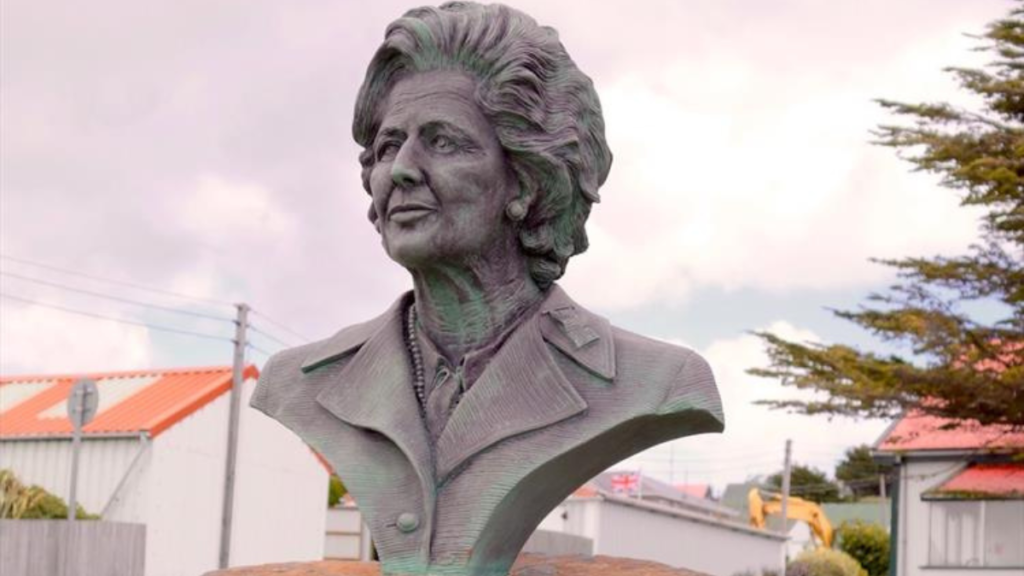
The statue in London is often misunderstood due to its association with Westminster and parliamentary buildings. Unlike outdoor monuments, it is placed within restricted areas, meaning public access is limited. This creates curiosity among visitors searching for the margaret thatcher statue, as many expect it to be displayed in a prominent public square in central London public area or landmark setting.
The Westminster connection highlights her role as a major political figure in British history. However, confusion continues over whether the statue is in Parliament Square or the House of Commons. In reality, it is not located in public outdoor spaces, which adds to ongoing misunderstandings and frequent online searches about its exact placement.
Margaret Thatcher Statue Unveiling and Public Reaction
The unveiling of the statue marked a significant moment in modern British political commemoration. It was designed to honour her long tenure as Prime Minister and her influence on national policy. The statue quickly became a focal point for public discussion, with both supporters and critics expressing strong views about its symbolic importance in the UK.
Reactions to the unveiling were strongly divided. Supporters praised it as a fitting tribute, while critics questioned its place in public commemoration. The statue quickly became part of wider political debate, reinforcing its role as a symbol of division and historical reflection in contemporary Britain.
Margaret Thatcher Statue Cost and Design
The statue cost has been widely reported in UK media, reflecting the significant investment required for a national political monument. It involved careful planning, artistic craftsmanship and approval from relevant authorities. The monument was designed to capture her authority and presence using traditional sculptural techniques.
The design focuses on realism and formal representation, aiming to reflect her political stature. Crafted in bronze, it stands as a traditional symbol of leadership. The statue continues to attract attention not only for its subject but also for its artistic and historical significance in modern Britain today context.
Margaret Thatcher Statue Vandalism and Controversy
The statue has been the subject of repeated vandalism incidents, including reports of eggs being thrown and paint being applied. These actions have sparked debate about political expression and respect for public monuments. The monument continues to generate controversy, reflecting strong emotions associated with her political legacy in contemporary British society and public debate today.
These incidents have intensified public discussion about how political figures should be represented in public spaces. While some view vandalism as protest, others see it as disrespectful. The statue remains a focal point of controversy, showing how deeply divided opinions about her legacy continue to shape public discourse.
Margaret Thatcher Statue in Online Culture
The statue has also become a part of online culture, appearing frequently in memes and social media discussions. These digital representations often reflect humour, criticism and political commentary. The statue meme trend demonstrates how public monuments can gain new meanings in the digital age, especially among younger audiences in the UK and beyond over time now.
Social media has expanded its visibility far beyond physical locations. Online debates, satire and commentary keep the statue relevant in modern conversations. This digital presence shows how historical figures are continuously reinterpreted through evolving cultural platforms and public engagement.
Conclusion
The statue remains an important symbol of Britain’s political history, representing both achievement and controversy. It continues to attract attention from the public, historians and media outlets. The statue stands as a reminder of how public figures are remembered differently across society, shaping ongoing debates about national identity and historical legacy in modern Britain today context.
Despite its controversy, it continues to hold cultural and political significance in the UK. Its presence in both physical and digital spaces ensures ongoing discussion about leadership, memory and public commemoration. The statue ultimately reflects the complexity of Britain’s political story and the lasting impact of its leaders.
Frequently Asked Questions
Q1: Where is the Margaret Thatcher statue located?
A: It is located in Grantham, Lincolnshire, with a related statue inside Westminster.
Q2: Why is the Margaret Thatcher statue controversial?
A: It is controversial due to divided opinions about her political legacy.
Q3: Has the Margaret Thatcher statue been vandalised?
A: Yes, it has been vandalised with eggs, paint, and graffiti incidents.
Q4: Is there a Margaret Thatcher statue in Parliament Square?
A: No, it is not in Parliament Square but in other parliamentary locations.
Q5: How much did the Margaret Thatcher statue cost?
A: It is reported to have cost several hundred thousand pounds.
Q6: When was the Margaret Thatcher statue unveiled?
A: It was unveiled in recent years following approval and commissioning.
Q7: Why do people search for Margaret Thatcher statue?
A: Because of its location, controversy, and political historical importance.
Also Read: Audrey Hepburn Pisa